|
The St. Matthew Passion
By Rex Levang, April 2001
Broadcast: April 22, 2011
Bach: St. Matthew Passion
—Brandenburg Consort/Stephen Cleobury; Choir of King's College, Cambridge; Choir of Jesus College, Cambridge; Rogers Covey-Crump, tenor (Evangelist); Michael George, bass (Jesus)
Brilliant 93941 (3 CDs)
Buy this recording at ArkivMusic
Lyrics Part One - Lyrics Part Two
Sometime in the Middle Ages, Christian churches began observing Holy Week by retelling the story of Christ's crucifixion in music. Those beginnings were simple—Bible verses set to simple chant melodies—but eventually they would culminate in one of the most ambitious musical compositions of all time.
When J. S. Bach came to write his St. Matthew Passion in the 1720s, the passion, as a musical form, had grown to allow orchestra, choirs, and non-scriptural choruses and arias. But even by the standard of the Baroque passion, the Passion According to St. Matthew is exceptional for its musical richness and its grand scope.
Musically, the score is of imposing length, and calls for double orchestra and double choir—three choirs, at one point. The musical textures range from complex counterpoint to simple hymns. Dramatically, the point of view shifts regularly, from the narrative of the Evangelist, to the actual words of Jesus and his disciples, to reflections that speak for the individual believer. But in Bach's hands, the effect that the Passion gives is not one of a brilliant collage, but a single, sustained, somber meditation—appropriate for a work that was first performed as part of a church service.
Scholars believe the first performance of the St. Matthew Passion may have been in 1727. It was certainly performed on Good Friday of 1729, and perhaps at several other Good Friday services during Bach's life. It then dropped from public view until 1829, when it was triumphantly revived by Felix Mendelssohn, crystallizing a revival of interest in Bach that grew throughout the 19th century and still continues.
The text of the passion was created by the German writer Christian Henrici, who wrote under the pen name of Picander. Like Bach, he lived in Leipzig, and it is believed that he and Bach worked closely together on the text.
There are three strands in the text: the actual text from the book of Matthew; Picander's own poetry; and the pre-existing hymns, or chorales, which Bach incorporates into the score, which would have been immediately recognizable by his first hearers.
|
CHORAL EXCHANGE
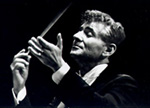
"Suddenly the chorus breaks into two antiphonal choruses. 'See him!' cries the first one. 'Whom?' asks the second. And the first answers: 'The Bridegroom see. See Him!' 'How?' 'So like a Lamb.' And then over and against all this questioning and answering and throbbing, the voices of a boy's choir sing out the chorale tune, 'O Lamb of God Most Holy,' piercing through the worldly pain with the icy-clear truth of redemption. The contrapuntal combination of the three different choruses is thrilling. There is nothing like it in all music."
– Leonard Bernstein |
|
PART ONE
Chorus I and II
|
|
|
|
|
Chorus I
Kommt, ihr Töchter, helft mir klagen,
Sehet—(Chorus II) Wen?—(Chorus I) den Bräutigam,
Seht ihn—(Chorus II) Wie?—(Chorus I) als wie ein Lamm!
Chorale
O Lamm Gottes, unschuldig
Am Stamm des Kreuzes geschlachtet,
Sehet,—Was?—seht die Geduld,
Allzeit erfunden geduldig,
Wiewohl du warest verachtet.
Seht—Wohin?—auf unsre Schuld;
All Sünd hast du getragen,
Sonst müßten wir verzagen.
Sehet ihn aus Lieb und Huld
Holz zum Kreuze selber tragen!
Erbarm dich unser, o Jesu ! |
 |
Chorus I
Come, ye daughters, share my mourning,
See ye—(Chorus II) whom?—(Chorus I) the bridegroom there,
See him—(Chorus II) how?—(Chorus I) just like a lamb!
Chorale
O Lamb of God, unspotted
Upon the cross's branch slaughtered,
See ye,—what?—see him forbear,
Alway displayed in thy patience,
How greatly wast thou despisèd.
Look—where, then?—upon our guilt;
All sin hast thou born for us,
Else we had lost all courage.
See how he with love and grace
Wood as cross himself now beareth!
Have mercy on us, O Jesus! |
Recitative
| WHAT IS A RECITATIVE? A recitative is a vocal passage that imitates spoken language, usually in free tempo. Often in passages of recitative, the emphasis is on the words rather than the musical content—which doesn't keep Bach from writing some very striking recitative passages. |
|
|
Evangelist
Da Jesus diese Rede vollendet hatte, sprach er zu seinen Jüngern:
Jesus
Ihr wisset, daß nach zweien Tagen Ostern wird, und des Menschen Sohn wird überantwortet werden, daß er gekreuziget werde. |
|
Evangelist
When Jesus, then, had finished all these sayings, he said to his disciples:
Jesus
Ye know well that in two days will be
Passover, and the Son of man is then to
be handed over, that he be crucifièd. |
Chorale
|
Chorus I and II
Herzliebster Jesu, was hast du verbrochen,
Daß man ein solch scharf Urteil hat gesprochen?
Was ist die Schuld, in was für Missetaten
Bist du geraten? |
|
Chorus I and II
O dearest Jesus, how hast thou offended,
That such a cruel sentence hath been spoken?
What is thy guilt, what were the evil doings
Thou hast committed?
|
Recitative
Evangelist
Da versammleten sich die Hohenpriester und Schriftgelehrten und die Ältesten im Volk in dem Palast des Hohenpriesters, der da hieß Kaiphas, und hielten Rat, wie sie Jesum mit Listen griffen und töteten. Sie sprachen aber:
|
|
Evangelist
There assembled themselves the high priests and the scribes together, and the elders of the people within the palace of the chief priest, whose name was Caiphas; and there took counsel, how with stealth they might capture Jesus and put him to death. They said however: |
Chorus I and II
|
Ja nicht auf das Fest, auf daß nicht ein Aufruhr werde im Volk. |
|
Not upon the feast, lest there be an uproar in the people. |
Recitative
|
Evangelist
Da nun Jesus war zu Bethanien, im Hause Simonis des Aussätzigen, trat zu ihm ein Weib, die hatte ein Glas mit köstlichem Wasser und goß es auf sein Haupt, da er zu Tische saß. Da das seine Jünger sahen, wurden sie unwillig und sprachen: |
|
Evangelist
When now Jesus visited Bethany and was in the house of the leper called Simon, unto him came a woman who carried a jar of precious ointment and poured it on his head as he sat at the table. But when his disciples saw it, they became indignant and said: |
Chorus I
|
Wozu dienet dieser Unrat? Dieses Wasser hie mögen teuer verkauft und den Armen gegeben werden. |
|
What end serveth all this nonsense? For this ointment might indeed have been sold for much, and the sum to the poor been given. |
Recitative
Evangelist
Da das Jesus merkete, sprach er zu ihnen:
Jesus
Was bekümmert ihr das Weib? Sie hat ein gut Werk an mir getan. Ihr habet allezeit Arme bei euch, mich aber habt ihr nicht allezeit. Daß sie dies Wasser hat auf meinen Leib gegossen, hat sie getan, daß man mich begraben wird. Wahrlich, ich sage euch Wo dies Evangelium geprediget wird in der ganzen Welt, da wird man auch sagen zu ihrem Gedächtnis, was sie getan hat. |
|
Evangelist
But when Jesus noticed this, said he unto them:
Jesus
Why trouble ye so this woman? For she hath done a good deed for me! Ye always have the poor with you, me though will ye not have always. That she hath poured this ointment over my body hath she done because I am to be buried. Truly I say to you: wherever this gospel shall be preached throughout the whole world, there will be told also in memory of her what she hath done. |
Recitative
|
Alto
Du lieber Heiland du,
Wenn deine Jünger töricht streiten,
Daß dieses fromme Weib
Mit Salben deinen Leib
Zum Grabe will bereiten,
So lasse mir inzwischen zu,
Von meiner Augen Tränenflüssen
Ein Wasser auf dein Haupt zu gießen! |
|
Alto
Belovèd Savior thou,
Midst thy disciples' foolish quarrel,
Because this loyal dame
Thy body with her oils
To bury would make ready,
O in the meanwhile grant me this,
From these mine eyes' own streams of weeping
To pour upon thy head an ointment! |
Aria
|
Alto
Buß und Reu
Knirscht das Sündenherz entzwei,
Daß die Tropfen meiner Zähren
Angenehme Spezerei,
Treuer Jesu, dir gebären. |
|
Alto
Guilt and pain
Break the sinful heart in twain,
So the teardrops of my weeping
A most soothing precious balm,
Chorus II Jesus, thee doth offer. |
Recitative
|
Evangelist
Da ging hin der Zwölfen einer, mit Namen Judas Ischarioth, zu den Hohenpriestern und sprach:
Judas
Was wollt ihr mir geben? Ich will ihn euch verraten.
Evangelist
Und sie boten ihm dreißig Silberlinge. Und von dem an suchte er Gelegenheit, daß er ihn verriete. |
|
Evangelist
Then there went one of the twelve, whose name was Judas Iscariot, forth unto the chief priests and said:
Judas
What would ye then give me? I would to you betray him.
Evangelist
And they offered him thirty silver pieces. And from thence forth he sought an opportunity when he might betray him. |
Aria
|
Soprano
Blute nur, du liebes Herz!
Ach! ein Kind, das du erzogen,
Das an deiner Brust gesogen,
Droht den Pfleger zu ermorden,
Denn es ist zur Schlange worden. |
|
Soprano
Bleed alway, O thou my heart!
Ah, a child which thou hast nurtured,
Which at thine own breast hath suckled,
Bodes his keeper now to murder,
For it hath become a serpent. |
Recitative
|
Evangelist
Aber am ersten Tage der süßen Brot traten die Jünger zu Jesu und sprachen zu ihm: |
|
Evangelist
But on the first day of Unleavened Bread came the disciples to Jesus and said unto him: |
Chorus I
|
Wo willst du, daß wir dir bereiten, das Osterlamm zu essen? |
|
What place wouldst thou have us prepare thee, the paschal lamb to eat now? |
Recitative
|
Evangelist
Er sprach:
Jesus
Gehet hin in die Stadt zu einem und sprecht zu ihm: Der Meister laßt dir sagen: Meine Zeit ist hier, ich will bei dir die Ostern halten mit meinen Jüngern.
Evangelist
Und die Jünger täten, wie ihnen Jesus befohlen hatte, und bereiteten das Osterlamm. Und am Abend satzte er sich zu Tische mit den Zwölfen. Und da sie aßen, sprach er:
Jesus
Wahrlich, ich sage euch: Einer unter euch wird mich verraten. |
|
Evangelist
He said:
Jesus
Go ye forth to the town, to one there and say to him: The Master sends thee this message: Now my time is here, I would in thy house keep the Passover with my disciples.
Evangelist
The disciples did this, as Jesus had commanded them, and made ready there the paschal lamb. And at evening he sat down at the table with the twelve. And while they ate there, he said:
Jesus
Truly, I say to you: there is one of you who will betray me. |
Recitative
|
Evangelist
Und sie wurden sehr betrübt und huben an, ein jeglicher unter ihnen, und sagten zu ihm: |
|
Evangelist
And they were then very sad and they began, each one of them in turn, to say unto him: |
Chorus I
| NUMEROLOGY: Here, as the chorus repeats this phrase, Bach uses the word "Lord" precisely 11 times: once for each disciple, except for Judas. |
|
|
Herr, bin ich's? |
|
Lord, is it I? |
Chorale
| WHAT IS A CHORALE? Basically, a hymn tune of the Lutheran church. In the early years of the Reformation in Germany, a new style of religious song was created. It drew on the Gregorian chant of the Catholic church, on folk song and popular melodies, and was shaped by the prevailing musical style of the day. These melodies came be known as chorales. Many of these chorales, like "A Mighty Fortress" and "Old Hundredth," are still sung as hymns in churches today. |
|
|
Chorus I and II
Ich bin's, ich sollte büßen,
An Händen und an Füßen
Gebunden in der Höll.
Die Geißeln und die Banden
Und was du ausgestanden,
Das hat verdienet meine Seel. |
|
Chorus I and II
'Tis I, I must be sorry,
With hands and feet together
Bound fast, must lie in hell.
The scourges and the fetters
And all that thou hast suffered,
All this deserveth now my soul. |
Recitative
|
Evangelist
Er antwortete und sprach:
Jesus
Der mit der Hand mit mir in die Schüssel tauchet, der wird mich verraten. Des Menschen Sohn gehet zwar dahin, wie von ihm geschrieben stehet; doch wehe dem Menschen, durch welchen des Menschen Sohn verraten wird! Es wäre ihm besser, daß derselbige Mensch noch nie geboren wäre.
Evangelist
Da antwortete Judas, der ihn verriet, und sprach:
Judas
Bin ich's, Rabbi?
Evangelist
Er sprach zu ihm:
Jesus
Du sagest's.
Evangelist
Da sie aber aßen, nahm Jesus das Brot, dankete und brach's und gab's den Jüngern und sprach:
Jesus
Nehmet, esset, das ist mein Leib.
Evangelist
Und er nahm den Kelch und dankte, gab ihnen den und sprach:
Jesus
Trinket alle daraus; das ist mein Blut des neuen Testaments, welches vergossen wird für viele zur Vergebung der Sünden. Ich sage euch: Ich werde von nun an nicht mehr von diesem Gewächs des Weinstocks trinken bis an den Tag, da ich's neu trinken werde mit euch in meines Vaters Reich. |
|
Evangelist
He answerèd thus and said:
Jesus
He who his hand with me in the dish now dippeth, this one will betray me. The Son of man indeed goeth hence, as it hath been written of him; but woe to that man through whom the Son of man hath been betrayed! It were better for him if this very man had never been born.
Evangelist
Then answerèd Judas, who betrayed him, and said:
Judas
Is it I, Rabbi?
Evangelist
He said to him:
Jesus
Thou sayest.
Evangelist
But when they had eaten, did Jesus take bread, gave thanks and brake it, and gave it to his disciples, saying:
Jesus
Take, eat, this is my Body.
Evangelist
And he took the cup and, giving thanks, he gave it to them, saying:
Jesus
Drink, all of you, from this; this is my Blood of the New Testament, which hath been poured out here for many in remission of their sins. I say to you: I shall from this moment forth no more drink from this the fruit of the grapevine until the day when I shall drink it anew with you within my Father's kingdom. |
Recitative
|
Soprano
Wiewohl mein Herz in Tränen schwimmt,
Daß Jesus von mir Abschied nimmt,
So macht mich doch sein Testament erfreut:
Mein Fleisch und Blut, o Kostbarkeit,
Vermacht er mir in meine Hände.
Wie er es auf der Welt mit denen Seinen
Nicht böse können meinen,
So liebt er sie bis an das Ende. |
|
Soprano
In truth my heart in tears doth swim,
That Jesus doth from me depart,
But I am by his Testament consoled:
His Flesh and Blood, O precious gift,
Bequetheth he to mine own hands now.
Just as he in the world unto his people
Could never offer malice,
He loveth them until the finish. |
Aria
|
Soprano
Ich will dir mein Herze schenken,
Senke dich, mein Heil, hinein!
Ich will mich in dir versenken;
Ist dir gleich die Welt zu klein,
Ei, so sollst du mir allein
Mehr als Welt und Himmel sein. |
|
Soprano
I will thee my heart now offer,
Merse thyself, my health, in it!
I would merse myself within thee;
If to thee the world's too small,
Ah, then shalt thou me alone
More than world and heaven be. |
Recitative
|
Evangelist
Und da sie den Lobgesang gesprochen hatten, gingen sie hinaus an den Ölberg. Da sprach Jesus zu ihnen:
Jesus
In dieser Nacht werdet ihr euch alle ärgern an mir. Denn es stehet geschrieben: Ich werde den Hirten schlagen, und die Schafe der Herde werden sich zerstreuen. Wenn ich aber auferstehe, will ich vor euch hingehen in Galiläam. |
|
Evangelist
But after the song of praise had been recited, they went out to the Mount of Olives. And there Jesus said to them:
Jesus
In this same night ye will all become annoyed for my sake. For it standeth in the scripture: I shall strike down then the shepherd, and the sheep of the flock will by themselves be scattered. When, however, I am risen, I will go before you into Galilee.
|
Chorale
|
THE "PASSION CHORALE": The next chorale, the so-called "Passion Chorale," is one that Bach uses five times in the St. Matthew Passion. (You may know it as "O sacred head, now wounded.") Although this chorale is now indelibly associated with Easter for many people, Bach uses it in other works, including the Christmas Oratorio, and the melody (not by Bach but by Hans Leo Hassler) was originally a secular love song. It was also borrowed by Paul Simon in "An American Tune." |
|
|
Chorus I and II
Erkenne mich, mein Hüter,
Mein Hirte, nimm mich an!
Von dir, Quell aller Güter,
Ist mir viel Guts getan.
Dein Mund hat mich gelabet
Mit Milch und süßer Kost,
Dein Geist hat mich begabet
Mit mancher Himmelslust. |
|
Chorus I and II
Acknowledge me, my keeper,
My shepherd, make me thine!
From thee, source of all blessings,
Have I been richly blest.
Thy mouth hath oft refreshed me
With milk and sweetest food,
Thy Spirit hath endowed me
With many heav'nly joys. |
Recitative
|
Evangelist
Petrus aber antwortete und sprach zu ihm:
Peter
Wenn sie auch alle sich an dir ärgerten, so will ich doch mich nimmermehr ärgern.
Evangelist
Jesus sprach zu ihm:
Jesus
Wahrlich, ich sage dir: In dieser Nacht, ehe der Hahn krähet, wirst du mich dreimal verleugnen.
Evangelist
Petrus sprach zu ihm:
Peter
Und wenn ich mit dir sterben müßte, so will ich dich nicht verleugnen.
Evangelist
Desgleichen sagten auch alle Jünger. |
|
Evangelist
Peter, however, then answerèd and said to him.
Peter
Although the others all be annoyed because of thee, yet will I myself not ever feel annoyance.
Evangelist
Jesus said to him:
Jesus
Truly, I say to thee: in this same night, before the cock croweth, wilt thou three times have denied me.
Evangelist
Peter said to him:
Peter
And even if I must die with thee, I will not ever deny thee.
Evangelist
And so declared all the other disciples. |
Chorale
|
Chorus I and II
Ich will hier bei dir stehen;
Verachte mich doch nicht!
Von dir will ich nicht gehen,
Wenn dir dein Herze bricht.
Wenn dein Herz wird erblassen
Im letzten Todesstoß,
Alsdenn will ich dich fassen
In meinen Arm und Schoß. |
|
Chorus I and II
I will here by thee stand now;
O put me not to scorn!
From thee will I go never,
While thee thy heart doth break.
When thy heart doth grow pallid
Within death's final stroke,
E'en then will I enfold thee
Within my arms and lap. |
Recitative
|
Evangelist
Da kam Jesus mit ihnen zu einem Hofe, der hieß Gethsemane, und sprach zu seinen Jüngern:
Jesus
Setzet euch hie, bis daß ich dort hingehe und bete.
Evangelist
Und nahm zu sich Petrum und die zween Söhne Zebedäi und fing an zu trauern und zu zagen. Da sprach Jesus zu ihnen:
Jesus
Meine Seele ist betrübt bis an den Tod, bleibet hie und wachet mit mir. |
|
Evangelist
Then came Jesus with them to a garden, known as Gethsemane, and said to his disciples:
Jesus
Sit ye down here, while I go over there and pray.
Evangelist
And taking Peter with him and the two sons of Zebedee, he began to mourn and to be troubled. Then said Jesus unto them:
Jesus
Now my soul is sore distressed, even to death; tarry here and keep watch with me. |
Recitative and Chorale
|
Chorus I and II
O Schmerz!
Hier zittert das gequälte Herz;
Wie sinkt es hin, wie bleicht sein Angesicht!
Alto
Was ist die Ursach aller solcher Plagen?
Chorus I and II
Der Richter führt ihn vor Gericht.
Da ist kein Trost, kein Helfer nicht.
Alto
Ach! meine Sünden haben dich geschlagen;
Chorus I and II
Er leidet alle Höllenqualen,
Er soll vor fremden Raub bezahlen.
Alto
Ich, ach Herr Jesu, habe dies verschuldet
Was du erduldet.
Chorus I and II
Ach, könnte meine Liebe dir,
Mein Heil, dein Zittern und dein Zagen
Vermindern oder helfen tragen,
Wie gerne blieb ich hier! |
|
Chorus I and II
O pain!
Here trembleth the tormented heart;
How it doth sink, how pale his countenance!
Alto
What is the reason for all these great torments?
Chorus I and II
The judge conveys him to the court.
Alto
Here is no hope, and helper none.
Chorus I and II
Alas, my sins, they have thee sorely stricken;
Alto
He suffers all of hell's own torture,
He must for others' theft make payment.
Chorus I and II
I, ah Lord Jesus, have this debt encumbered
Which thou art bearing.
Ah, would that now my love for thee,
My health, thy trembling and thy terror
Could lighten or could help thee carry.
How gladly would I stay! |
Aria and Chorus
|
Tenor
Ich will bei meinem Jesu wachen,
Chorus II
So schlafen unsre Sünden ein.
Tenor
Meinen Tod
Büßet seine Seelennot;
Sein Trauren machet mich voll Freuden.
Chorus II
Drum muß uns sein verdienstlich Leiden
Recht bitter und doch süße sein. |
|
Tenor
I will be with my Jesus watching,
Chorus II
That slumber may our sins enfold.
Tenor
Mine own death
Is redeemed by his soul's woe;
His sorrow filleth me with gladness.
Chorus II
Thus for us his most worthy passion
Most bitter and yet sweet must be.
|
Recitative
|
Evangelist
Und ging hin ein wenig, fiel nieder auf sein Angesicht und betete und sprach:
Jesus
Mein Vater, ist's möglich, so gehe dieser Kelch von mir; doch nicht wie ich will, sondern wie du willt. |
|
Evangelist
He went on a little, fell down upon his
face and, having prayed, he said:
Jesus
My Father, if possible, allow this cup to pass from me; but not as I will, rather as thou wilt. |
Recitative
|
Bass
Der Heiland fällt vor seinem Vater nieder;
Dadurch erhebt er mich und alle
Von unserm Falle
Hinauf zu Gottes Gnade wieder.
Er ist bereit,
Den Kelch, des Todes Bitterkeit
Zu trinken,
In welchen Sünden dieser Welt
Gegossen sind und häßlich stinken,
Weil es dem lieben Gott gefällt. |
|
Bass
The Savior falls before his Father prostrate;
Thereby he raiseth me and all men
From our corruption
Aloft again to God's dear mercy.
He is prepared
The cup, the bitterness of death,
To drink now,
In which the sins of this our world
Have been infused, now loathsome reeking,
Because God wills it so to be. |
Aria
|
Bass
Gerne will ich mich bequemen,
Kreuz und Becher anzunehmen,
Trink ich doch dem Heiland nach.
Denn sein Mund,
Der mit Milch und Honig fließet,
Hat den Grund
Und des Leidens herbe Schmach
Durch den ersten Trunk versüßet. |
|
Bass
Gladly would I be most willing
Cross and chalice to accept now,
Drinking from my Savior's cup.
For his mouth,
Which with milk and honey floweth,
Hath the earth,
And all sorrow's bitter taste
With the very first draught sweetened. |
Recitative
DRAMATIC, INTENSE
"Bach is a dramatic composer. The fact that that drama doesn't have to be either in real time or shown to you visually doesn't mean that there's not a drama, in the same way that a radio play is drama; it just happens inside your head. It's imagined. I think that it is, dramatically, incredibly intense from beginning to end."
– Nicholas McGegan, Saint Paul Chamber Orchestra, Baroque Series Director |
|
|
Evangelist
Und er kam zu seinen Jüngern und fand sie schlafend und sprach zu ihnen:
Jesus
Könnet ihr denn nicht eine Stunde mit mir wachen? Wachet und betet, daß ihr nicht in Anfechtung fallet! Der Geist ist willig, aber das Fleisch ist schwach.
Evangelist
Zum andernmal ging er hin, betete und sprach:
Jesus
Mein Vater, ist's nicht möglich, daß dieser Kelch von mir gehe, ich trinke ihn denn, so geschehe dein Wille. |
|
Evangelist
And he came to his disciples and found them sleeping and said unto them:
Jesus
Could ye then not watch with me even for one hour? Watch ye and pray, that ye not fall into temptation! The spirit is willing, but the flesh is weak.
Evangelist
A second time he went off, prayed and said:
Jesus
My Father, if it cannot be that this cup pass from me, unless I have drunk it, then let thy will be done. |
Chorale
|
Chorus I and II
Was mein Gott will, das g'scheh allzeit,
Sein Will, der ist der beste,
Zu helfen den'n er ist bereit,
Die an ihn gläuben feste.
Er hilft aus Not, der fromme Gott,
Und züchtiget mit Maßen.
Wer Gott vertraut, fest auf ihn baut,
Den will er nicht verlassen. |
|
Chorus I and II
What my God will, be done alway,
His will, it is the best will;
To help all those he is prepared
Whose faith in him is steadfast.
He frees from want, this righteous God,
And punisheth with measure:
Who trusts in God, on him relies,
Him will he not abandon. |
Recitative
|
Evangelist
Und er kam und fand sie aber schlafend, und ihre Augen waren voll Schlafs. Und er ließ sie und ging abermal hin und betete zum drittenmal und redete dieselbigen Worte. Da kam er zu seinen Jüngern und sprach zu ihnen:
Jesus
Ach! wollt ihr nun schlafen und ruhen? Siehe, die Stunde ist hie, daß des Menschen Sohn in der Sünder Hände überantwortet wird. Stehet auf, lasset uns gehen; siehe, er ist da, der mich verrät.
Evangelist
Und als er noch redete, siehe, da kam Judas, der Zwölfen einer, und mit ihm eine große Schar mit Schwerten und mit Stangen von den Hohenpriestern und Altesten des Volks. Und der Verräter hatte ihnen ein Zeichen gegeben und gesagt: »Welchen ich küssen werde, der ist's, den greifet!« Und alsbald trat er zu Jesu und sprach:
Judas
Gegrüßet seist du, Rabbi!
Evangelist
Und küssete ihn. Jesus aber sprach zu ihm:
Jesus
Mein Freund, warum bist du kommen?
Evangelist
Da traten sie hinzu und legten die Hände an Jesum und griffen ihn. |
|
Evangelist
And he came and found them once more sleeping, and now their eyes were heavy with sleep. And he left them and went off once again a third time and said again the very same words. Then came he to his disciples and said unto them:
Jesus
Ah, would ye now sleep and rest? Lo now, the hour is come when the Son of man is delivered over to the hands of sinners. Rise ye up, let us be going; see there, he is come, who doth betray me.
Evangelist
And while he was speaking still, behold, there came Judas, one of the twelve, and with him came a great crowd with swords and with clubs from the chief priests and elders of the people. And the betrayer had given them a signal already and had said: "He whom I shall kiss, is he, him take ye!" At that he went up to Jesus and said:
Judas
My greetings to thee, Rabbi!
Evangelist
And gave him a kiss. Jesus, though, said to him:
Jesus
My friend, wherefore art thou come here?
Evangelist
Then came the others forth and, laying their hands upon Jesus, they captured him. |
Duet and Chorus
|
Soprano and Alto
So ist mein Jesus nun gefangen.
Chorus II
Laßt ihn, haltet, bindet nicht!
Soprano and Alto
Mond und Licht
Ist vor Schmerzen untergangen,
Weil mein Jesus ist gefangen.
Chorus II
Laßt ihn, haltet, bindet nicht!
Soprano and Alto
Sie führen ihn, er ist gebunden. |
|
Soprano and Alto
Thus hath my Jesus now been taken.
Chorus II
Free him, hold off, bind him not!
Soprano and Alto
Moon and light
Are in sorrow set and hidden,
For my Jesus hath been taken.
Chorus II
Free him, hold off, bind him not!
Soprano and Alto
They lead him off, he is in fetters. |
Chorus I and II
|
Sind Blitze, sind Donner in Wolken verschwunden?
Eröffne den feurigen Abgrund, o Hölle,
Zertrümmre, verderbe, verschlinge, zerschelle
Mit plötzlicher Wut
Den falschen Verräter, das mördrische Blut! |
|
Hath lightning, hath thunder in clouds fully vanished?
Lay open thy fire's raging chasm, O hell, then,
Now ruin, demolish, devour, now shatter
With suddenmost wrath
The lying betrayer, that murderous blood! |
Recitative
| THE "HALO" EFFECT: Bach sets Jesus' own words apart from all the other recitatives by accompanying them with strings. This has been likened to a halo in sound.
Significantly, there is one place where the halo drops out—at Jesus' last words on the cross. |
|
|
Evangelist
Und siehe, einer aus denen, die mit Jesu waren, reckete die Hand aus und schlug des Hohenpriesters Knecht und hieb ihm ein Ohr ab. Da sprach Jesus zu ihm:
Jesus
Stecke dein Schwert an seinen Ort; denn wer das Schwert nimmt, der soll durchs Schwert umkommen. Oder meinest du, daß ich nicht könnte meinen Vater bitten, daß er mir zuschickte mehr denn zwölf Legion Engel? Wie würde aber die Schrift erfüllet? Es muß also gehen.
Evangelist
Zu der Stund sprach Jesus zu den Scharen:
Jesus
Ihr seid ausgegangen als zu einem Mörder, mit Schwerten und mit Stangen, mich zu fahen; bin ich doch täglich bei euch gesessen und habe gelehret im Tempel, und ihr habt mich nicht gegriffen. Aber das ist alles geschehen, daß erfüllet würden die Schriften
Evangelist
Da verließen ihn alle Jünger und flohen. |
|
Evangelist
And lo now, one of that number, who were there with Jesus, did stretch out his hand then and struck the slave of the chief priest and cut off his ear. Then said Jesus to him:
Jesus
Put back thy sword into its place; for all who take the sword must by the sword perish. Or dost thou then think that I could not appeal unto my Father that to me he send forth more than twelve legions of angels? How would the scripture, though, be fulfilled? It must be this way.
Evangelist
At this hour said Jesus to the many:
Jesus
Ye are now come forward as against a murderer, with swords and with clubs now to take me; but I have daily been sitting with you and have been there teaching in the temple, and ye did not ever seize me. But all this is now come to pass, to bring fulfillment to the scriptures of the prophets.
Evangelist
Then did all the disciples flee and forsake him. |
Chorale
|
Chorus I and II
O Mensch, bewein dein Sünde groß,
Darum Christus seins Vaters Schoß
Äußert und kam auf Erden;
Von einer Jungfrau rein und zart
Für uns er hie geboren ward,
Er wollt der Mittler werden.
Den Toten er das Leben gab
Und legt darbei all Krankheit ab,
Bis sich die Zeit herdrange,
Daß er für uns geopfert würd,
Trüg unsrer Sünden schwere Bürd
Wohl an dem Kreuze lange. |
|
Chorus I and II
O man, bewail thy sins so great,
For which Christ did his Father's lap
Reveal and came to earth here;
And of a virgin pure and mild
For us he here to birth did come
To be the Intercessor.
Unto the dead he granted life
And put off all infirmity
Until the time pressed forward
That he for us be sacrificed;
He bore our sins' most grievous weight
Upon the cross, long suff'ring. |
DIVINELY INSPIRED:
" 'Ever look at the Passion? Ever hear it?'
'Never.'
'We've a month; we'll scratch the surface.'
It seemed to Monica that they did much more than scratch the surface; she slaved at it, and Molloy even made her study the full score, so that she might have some acquaintance with classical orchestration... Molloy had a cult for the Passion which astonished Monica, for she had not supposed him to be a deeply religious man. 'If the Bible was divinely inspired, so was the Matthew Passion,'said he; 'you've not only to know it note for note and rest for rest—you've to feel it in the furthest depths of your soul.' It was in this spirit that they worked."
– Robertson Davies, A Mixture of Frailties |
|
PART TWO
Aria and Chorus
|
|
|
|
|
Chorus I
Ach! nun ist mein Jesus hin!
Chorus II
Wo ist denn dein Freund hingegangen,
O du Schönste unter den Weibern?
Ist es möglich, kann ich schauen?
Wo hat sich dein Freund hingewandt?
Ach! mein Lamm in Tigerklauen,
Ach! wo ist mein Jesus hin?
So wollen wir mit dir ihn suchen.
Ach! was soll ich der Seele sagen,
Wenn sie mich wird ängstlich fragen?
Ach! wo ist mein Jesus hin?
|
|
Chorus I
Ah, now is my Jesus gone!
Chorus II
Where is then thy friend now departed,
O thou fairest of all the women?
Is it granted, can I see him?
Where hath he thy friend gone away?
Ah, my lamb in tiger's clutches,
Ah, where is my Jesus gone?
We will with thee now go and seek him.
Ah, what shall I say to my spirit
When it doth in anguish ask me:
Ah, where is my Jesus gone? |
Recitative
|
Evangelist
Die aber Jesum gegriffen hatten, führeten ihn zu dem Hohenpriester Kaiphas, dahin die Schriftgelehrten und Ältesten sich versammlet hatten. Petrus aber folgete ihm nach von ferne bis in den Palast des Hohenpriesters und ging hinein und satzte sich bei die Knechte, auf daß er sähe, wo es hinaus wollte. Die Hohenpriester aber und Ältesten und der ganze Rat suchten falsche Zeugnis wider Jesum, auf daß sie ihn töteten, und funden keines. |
|
Evangelist
But those, however, who had seized Jesus led him away to the chief priest, who was Caiphas, there where the learned scribes and the elders already had assembled. Peter, though, had followed him from a distance up to the palace of the chief priest and went inside and sat himself near the servants, that he might see what the outcome would be. The chief priests, though, and also the elders and the whole assembly sought untrue witness against Jesus in order to kill him, and they did find none. |
Chorale
|
Chorus I and II
Mir hat die Welt trüglich gericht'
Mit Lügen und mit falschem G'dicht,
Viel Netz und heimlich Stricke.
Herr, nimm mein wahr in dieser G'fahr,
B'hüt mich für falschen Tücken! |
|
Chorus I and II
The world hath judged me with deceit,
With lying and with false conceit,
With nets and snares in secret.
Lord, me regard
In this distress,
Guard me from false deceptions. |
Recitative
|
Evangelist
Und wiewohl viel falsche Zeugen herzutraten, funden sie doch keins. Zuletzt traten herzu zween falsche Zeugen und sprachen:
Alto and Tenor
Er hat gesagt: Ich kann den Tempel Gottes abbrechen und in dreien Tagen denselben bauen.
Evangelist
Und der Hohepriester stund auf und sprach zu ihm:
Bass
Antwortest du nichts zu dem, das diese wider dich zeugen?
Evangelist
Aber Jesus schwieg stille. |
|
Evangelist
And although there came there many false witnesses, they still did find none. At last entered therein two false informants and said:
Alto and Tenor
He hath declared: "God's temple can I fully demolish and within three days' time I can rebuild it."
Evangelist
And the chief priest then stood up and said to him:
Bass
Replies thou nought to that which they have witnessed against thee?
Evangelist
But Jesus kept silent. |
Recitative
|
Tenor
Mein Jesus schweigt
Zu falschen Lügen stille,
Um uns damit zu zeigen,
Daß sein Erbarmens voller Wille
Vor uns zum Leiden sei geneigt,
Und daß wir in dergleichen Pein
Ihm sollen ähnlich sein
Und in Verfolgung stille schweigen. |
|
Tenor
My Jesus keeps
Amidst false lies his silence,
To show us by example
That his dear mercy's full intention
For us to suffer now inclines,
In order that within such pain
We should resemble him,
In persecution keep our silence. |
Aria
|
Tenor
Geduld!
Wenn mich falsche Zungen stechen.
Leid ich wider meine Schuld
Schimpf und Spott,
Ei, so mag der liebe Gott
Meines Herzens Unschuld rächen. |
|
Tenor
Forbear,
Though deceiving tongues may sting me!
Though I suffer, innocent,
Mocking scorn,
Ah, then may the Lord above
Give my guiltless heart its vengeance. |
Recitative
|
Evangelist
Und der Hohepriester antwortete und sprach zu ihm:
Bass
Ich beschwöre dich bei dem lebendigen Gott, daß du uns sagest, ob du seiest Christus, der Sohn Gottes?
Evangelist
Jesus sprach zu ihm:
Jesus
Du sagest's. Doch sage ich euch: Von nun an wird's geschehen, daß ihr sehen werdet des Menschen Sohn sitzen zur Rechten der Kraft und kommen in den Wolken des Himmels.
Evangelist
Da zerriß der Hohepriester seine Kleider und sprach:
Bass
Er hat Gott gelästert; was dürfen wir weiter Zeugnis? Siehe, itzt habt ihr seine Gotteslästerung gehöret. Was dünket euch?
Evangelist
Sie antworteten und sprachen: |
|
Evangelist
And the chief priest then, answering, spake thus to him:
Bass
I adjure thee in the name of the living God, that thou shouldst tell us, if thou art the Christ, the Son of God.
Evangelist
Jesus said to him:
Jesus
Thou sayest. But I say to you: from henceforth it will happen that ye shall behold the Son of man sitting at the right hand of power and coming in the clouds of heaven.
Evangelist
Thereupon the chief priest rent his clothes asunder and said:
Bass
God hath he blasphemed; what need we of further witness? See here, now have ye heard his blasphemy against God. What is your judgment?
Evangelist
They answerèd and said: |
Chorus I and II
|
Er ist des Todes schuldig! |
|
He is of death deserving! |
Recitative
|
Evangelist
Da speieten sie aus in sein Angesicht und schlugen ihn mit Fäusten. Etliche aber schlugen ihn ins Angesicht und sprachen: |
|
Evangelist
Then did they spit upon his countenance and struck him with their fists. Some, though, there were who struck him upon his face and said: |
Chorus I and II
|
Weissage uns, Christe, wer ist's, der dich schlug? |
|
Foretell it us, Christ Lord, tell us who struck thee! |
Chorale
|
Chorus I and II
Wer hat dich so geschlagen,
Mein Heil, und dich mit Plagen
So übel zugericht'?
Du bist ja nicht ein Sünder
Wie wir und unsre Kinder;
Von Missetaten weißt du nicht. |
|
Chorus I and II
Who hath thee thus so smitten,
My health, and thee tormented,
So evilly abused?
Thou art indeed no sinner
Like us and our descendants;
Of evil deeds thou knowest not. |
Recitative
|
Evangelist
Petrus aber saß draußen im Palast; und es trat zu ihm eine Magd und sprach:
Soprano
Und du warest auch mit dem Jesu aus Galiläa.
Evangelist
Er leugnete aber vor ihnen allen und sprach:
Peter
Ich weiß nicht, was du sagest.
Evangelist
Als er aber zur Tür hinausging, sahe ihn eine andere und sprach zu denen, die da waren:
Soprano
Dieser war auch mit dem Jesu von Nazareth.
Evangelist
Und er leugnete abermal und schwur dazu:
Peter
Ich kenne des Menschen nicht.
Evangelist
Und über eine kleine Weile traten hinzu, die da stunden, und sprachen zu Petro: |
|
Evangelist
Peter, meanwhile, sat outside in the court; and there came to him a maid and said:
Soprano
And thou was also with Jesus of Galilee.
Evangelist
But he then denied this before them all and said:
Peter
I know not what thou sayest.
Evangelist
But when he went out to the porch, he was seen by another maid, who said to those who were there:
Soprano
This man was also with Jesus of Nazareth.
Evangelist
And once more did he deny it and with an oath:
Peter
I know nothing of the man.
Evangelist
And when a little time had passed, there came to him those who were present and said to Peter: |
Chorus II
|
Wahrlich, du bist auch einer von denen; denn deine Sprache verrät dich. |
|
Truly, thou art one of those men also; for thine own speech doth betray thee. |
Recitative
|
Evangelist
Da hub er an, sich zu verfluchen und zu schwören:
Peter
Ich kenne des Menschen nicht.
Evangelist
Und alsbald krähete der Hahn. Da dachte Petrus an die Worte Jesu, da er zu ihm sagte: Ehe der Hahn krähen wird, wirst du mich dreimal verleugnen. Und ging heraus und weinete bitterlich. |
|
Evangelist
Then he began to invoke a curse upon himself and to swear:
Peter
I know nothing of the man.
Evangelist
And at this moment the cock crew. Then Peter thought back to the words of
Jesus, when he said unto him: "Before the cock shall have crowed, wilt three times thou have denied me." And he went out and wept with great bitterness. |
Aria
EMOTIONAL OUTPOURING
"For me, the emotional high point is the aria "Erbarme dich" with the violin solo weeping away with the mezzo. It's just one of the finest arias ever written."
"One thing about the arias is, essentially, the singers all speak about themselves. It's how I feel about Christ's passion. It's always 'Save me—not the planet.' And so what you have is this extraordinary personal outpouring of emotion in all the arias, and this one is the high point."
– Nicholas McGegan, Saint Paul Chamber Orchestra, Baroque Series Director |
|
|
Alto
Erbarme dich,
Mein Gott, um meiner Zähren willen!
Schaue hier,
Herz und Auge weint vor dir
Bitterlich. |
|
Alto
Have mercy Lord,
My God, because of this my weeping!
Look thou here,
Heart and eyes now weep for thee
Bitterly. |
Chorale
|
Chorus I and II
Bin ich gleich von dir gewichen,
Stell ich mich doch wieder ein;
Hat uns doch dein Sohn verglichen
Durch sein' Angst und Todespein.
Ich verleugne nicht die Schuld;
Aber deine Gnad und Huld
Ist viel größer als die Sünde,
Die ich stets in mir befinde. |
|
Chorus I and II
Though I now have thee forsaken,
I will once again return;
For thy Son hath reconciled us
Through his agony and death.
I deny no whit my guilt;
But thy mercy and thy grace
Are much greater than the failings
Which I ever find within me. |
Recitative
|
Evangelist
Des Morgens aber hielten alle Hohepriester und die Ältesten des Volks einen Rat über Jesum, daß sie ihn töteten. Und bunden ihn, führeten ihn hin und überantworteten ihn dem Landpfleger Pontio Pilato. Da das sahe Judas, der ihn verraten hatte, daß er verdammt war zum Tode, gereuete es ihn und brachte herwieder die dreißig Silberlinge den Hohenpriestern und Ältesten und sprach:
Judas
Ich habe übel getan, daß ich unschuldig Blut verraten habe.
Evangelist
Sie sprachen: |
|
Evangelist
When morning came, however, all the chief priests and the elders of the people took council concerning Jesus, that they might put him to death. And binding him, they led him away and handed him over unto the governor Pontius Pilatus. And when Judas saw this, the one who had betrayed him, that he had been condemned to death, it gave him great remorse, and, bringing back again the thirty silver pieces unto the chief priests and elders, he said:
Judas
I have committed a sin, for I have innocent blood here betrayed.
Evangelist
They said: |
Chorus I and II
|
Was gehet uns das an? Da siehe du zu! |
|
How doth that us concern? See to it thyself! |
Recitative
|
Evangelist
Und er warf die Silberlinge in den Tempel, hub sich davon, ging hin und erhängete sich selbst. Aber die Hohenpriester nahmen die Silberlinge und sprachen:
Bass
Es taugt nicht, daß wir sie in den Gotteskasten legen, denn es ist Blutgeld. |
|
Evangelist
And he cast the silvers pieces in the temple, rose up from there, went forth and then hanged himself at once. But the chief priests took the silver pieces and said:
Bass
We cannot lawfully put them in the temple treasury, for this is blood money.
|
Aria
|
Bass
Gebt mir meinen Jesum wieder!
Seht, das Geld, den Mörderlohn,
Wirft euch der verlorne Sohn
Zu den Füßen nieder! |
|
Bass
Give back this my Jesus to me!
See the price, this murder's wage,
Thrown by this the fallen son
At your feet before you! |
Recitative
|
Evangelist
Sie hielten aber einen Rat und kauften einen Töpfersacker darum zum Begräbnis der Pilger. Daher ist derselbige Acker genennet der Blutacker bis auf den heutigen Tag. Da ist erfüllet, das gesagt ist durch den Propheten Jeremias, da er spricht: »Sie haben genommen dreißig Silberlinge, damit bezahlet ward der Verkaufte, welchen sie kauften von den Kindern Israel, und haben sie gegeben um einen Töpfersacker, als mir der Herr befohlen hat.« Jesus aber stund vor dem Landpfleger; und der Landpfleger fragte ihn und sprach:
Bass
Bist du der Jüden König?
Evangelist
Jesus aber sprach zu ihm:
Jesus
Du sagest's.
Evangelist
Und da er verklagt war von den Hohenpriestern und Ältesten, antwortete er nichts. Da sprach Pilatus zu ihm:
Bass
Hörest du nicht, wie hart sie dich verklagen?
Evangelist
Und er antwortete ihm nicht auf ein Wort, also, daß sich auch der Landpfleger sehr verwunderte. |
|
Evangelist
So they took counsel once again and bought with them a potter's field set aside for the burial of strangers. Therefore is this selfsame field also known as the Field of Blood from then to this very day. Thus is fulfillèd what was told before by the prophet Jeremiah, when he saith: "And they have accepted thirty silver pieces, with which to pay the price of one purchased, whom they had purchased from the children of Israel, and they have given it to buy a potter's field, as the Lord hath commanded me." Jesus meanwhile stood before the governor; and the governor questioned him and said:
Bass
Art thou the King of the Jews?
Evangelist
Jesus then replied to him:
Jesus
Thou sayest it.
Evangelist
And when he was charged by the chief priests and the elders, he made no reply. Then said Pilate unto him:
Bass
Hearest thou not how harshly they accuse thee?
Evangelist
And he answerèd him to never a word, such that the governor was also much amazed at him. |
Chorale
|
Chorus I and II
Befiehl du deine Wege
Und was dein Herze kränkt
Der allertreusten Pflege
Des, der den Himmel lenkt.
Der Wolken, Luft und Winden
Gibt Wege, Lauf und Bahn,
Der wird auch Wege finden,
Da dein Fuß gehen kann. |
|
Chorus I and II
Commend thou all thy pathways
And all that grieves thy heart
To the most Chorus II keeping
Of him who ruleth heav'n.
To clouds and air and breezes
He gives their course to run,
He will find pathways also
Whereon thy foot may walk. |
Recitative
|
Evangelist
Auf das Fest aber hatte der Landpfleger Gewohnheit, dem Volk einen Gefangenen loszugeben, welchen sie wollten. Er hatte aber zu der Zeit einen Gefangenen, einen sonderlichen vor andern, der hieß Barrabas. Und da sie versammlet waren, sprach Pilatus zu ihnen:
Bass
Welchen wollet ihr, daß ich euch losgebe? Barrabam oder Jesum, von dem gesaget wird, er sei Christus?
Evangelist
Denn er wußte wohl, daß sie ihn aus Neid überantwortet hatten. Und da er auf dem Richtstuhl saß, schickete sein Weib zu ihm und ließ ihm sagen:
Soprano
Habe du nichts zu schaffen mit diesem Gerechten; ich habe heute viel erlitten im Traum von seinetwegen!
Evangelist
Aber die Hohenpriester und die Ältesten überredeten das Volk, daß sie um Barrabam bitten sollten und Jesum umbrächten. Da antwortete nun der Landpfleger und sprach zu ihnen:
Bass
Welchen wollt ihr unter diesen zweien, den ich euch soll losgeben?
Evangelist
Sie sprachen:
Chorus I and II
Barrabam!
Evangelist
Pilatus sprach zu ihnen:
Bass
Was soll ich denn machen mit Jesu, von dem gesagt wird, er sei Christus?
Evangelist
Sie sprachen alle: |
|
Evangelist
But upon this feast the governor had the custom of setting free a prisoner to the people, whom they had chosen. He had, however, on this occasion a prisoner, who stood out above the others, whose name was Barabbas. And when they had come together, Pilate said unto them:
Bass
Which one would ye have that I release unto you? Barabbas or Jesus, of whom it is said that he is the Christ?
Evangelist
For he knew full well that it was for envy that they had delivered him. And as he sat upon the judgment seat, his wife sent unto him and gave this message:
Soprano
Have thou nothing to do with this righteous man; for I today have suffered much in a dream because of him!
Evangelist
Nevertheless the chief priests and the elders had now persuaded the crowd, that they should ask for Barabbas and destroy Jesus. And in answer now, the governor said unto them:
Bass
Which one would ye have of these two men here, that I set free to you?
Evangelist
And they said:
Chorus I and II
Barabbas!
Evangelist
And Pilate said unto them:
Bass
What shall I then do with Jesus, of whom is said that he is Christ?
Evangelist
And they all said: |
Chorus I and II
|
Laß ihn kreuzigen! |
|
Have him crucified! |
Chorale
|
Chorus I and II
Wie wunderbarlich ist doch diese Strafe!
Der gute Hirte leidet für die Schafe,
Die Schuld bezahlt der Herre, der Gerechte,
Für seine Knechte. |
|
Chorus I and II
How awe-inspiring is indeed this sentence!
The worthy shepherd for his flock now suffers;
The debt he pays, the master, he the righteous,
For all his servants. |
Recitative
|
Evangelist
Der Landpfleger sagte:
Bass
Was hat er denn Übels getan? |
|
Evangelist
The governor said then:
Bass
Why, what evil hath this man done? |
Recitative
|
Soprano
Er hat uns allen wohlgetan,
Den Blinden gab er das Gesicht,
Die Lahmen macht er gehend,
Er sagt uns seines Vaters Wort,
Er trieb die Teufel fort,
Betrübte hat er aufgericht',
Er nahm die Sünder auf und an.
Sonst hat mein Jesus nichts getan. |
|
Soprano
He hath us all so richly blessed,
The blind he hath returned their sight,
The lame he leaveth walking,
He tells us of his Father's word,
He drives the devil forth,
The troubled hath he lifted up,
He took the sinners to himself.
Else hath my Jesus nothing done. |
Aria
|
Soprano
Aus Liebe,
Aus Liebe will mein Heiland sterben,
Von einer Sünde weiß er nichts.
Daß das ewige Verderben
Und die Strafe des Gerichts
Nicht auf meiner Seele bliebe. |
|
Soprano
For love now,
For love now would my Savior perish,
Of any sin he knoweth nought.
That eternal condemnation
And the sentence of the court
Not upon my soul continue. |
Recitative
|
Evangelist
Sie schrieen aber noch mehr und sprachen: |
|
Evangelist
They cried again even more and said: |
Chorus I and II
|
Laß ihn kreuzigen! |
|
Have him crucified! |
Recitative
|
Evangelist
Da aber Pilatus sahe, daß er nichts schaffete, sondern daß ein viel großer Getümmel ward, nahm er Wasser und wusch die Hände vor dem Volk und sprach:
Bass
Ich bin unschuldig an dem Blut dieses Gerechten, sehet ihr zu.
Evangelist
Da antwortete das ganze Volk und sprach: |
|
Evangelist
But when Pilate saw that he could prevail nothing, rather that a much greater disturbance grew, he took water and washed his hands before the crowd and said:
Bass
I am not guilty for the blood of this just person, see ye to it.
Evangelist
Thereupon answered all the people and said: |
Chorus I and II
|
Sein Blut komme über uns und unsre Kinder. |
|
His blood come upon us then and on our children. |
Recitative
|
Evangelist
Da gab er ihnen Barrabam los; aber Jesum ließ er geißeln und überantwortete ihn, daß er gekreuziget würde. |
|
Evangelist
To them he then set Barabbas free; but he had Jesus scourged and then delivered him up, that he might be crucifièd. |
Recitative
|
Alto
Erbarm es Gott!
Hier steht der Heiland angebunden.
O Geißelung, o Schläg, o Wunden!
Ihr Henker, haltet ein!
Erweichet euch
Der Seelen Schmerz,
Der Anblick solches Jammers nicht?
Ach ja! ihr habt ein Herz,
Das muß der Martersäule gleich
Und noch viel härter sein.
Erbarmt euch, haltet ein! |
|
Alto
Have mercy, God!
Here stands the Savior, bound and fettered.
Such scourging this, such blows, such wounding!
Ye hangmen, stop your work!
Do ye not feel
Your spirit's grief,
The vision of such pain and woe?
Ah yes! Ye have a heart
Which must be like the whipping post
And e'en much harder still.
Have mercy, stop your work! |
Aria
|
Alto
Können Tränen meiner Wangen
Nichts erlangen,
O, so nehmt mein Herz hinein!
Aber laßt es bei den Fluten,
Wenn die Wunden milde bluten,
Auch die Opferschale sein! |
|
Alto
If the tears upon my cheeks can
Nought accomplish,
Oh, then take my heart as well!
But then let amidst the streaming
Of the wounds abundant bleeding
Be the sacrificial cup!
|
Recitative
|
Evangelist
Da nahmen die Kriegsknechte des Landpflegers Jesum zu sich in das Richthaus und sammleten über ihn die ganze Schar und zogen ihn aus und legeten ihm einen Purpurmantel an und flochten eine dornene Krone und satzten sie auf sein Haupt und ein Rohr in seine rechte Hand und beugeten die Knie vor ihm und spotteten ihn und sprachen: |
|
Evangelist
And then did the governor's soldiers take Jesus into the praetorium and gathered before him there all the troops, and they did strip him and put upon him a purple robe and plaited a crown of thorns and set it upon his head, and a reed in his right hand and then they bent their knees before him, both mocking him and saying: |
Chorus I and II
|
Gegrüßet seist du, Jüdenkönig! |
|
All hail now to thee, King of the Jews! |
Recitative
|
Evangelist
Und speieten ihn an und nahmen das Rohr und schlugen damit sein Haupt. |
|
Evangelist
And spat upon his face and, taking the reed, they struck him upon his head. |
Chorale
|
Chorus I and II
O Haupt voll Blut und Wunden,
Voll Schmerz und voller Hohn,
O Haupt, zu Spott gebunden
Mit einer Dornenkron,
O Haupt, sonst schön gezieret
Mit höchster Ehr und Zier,
Jetzt aber hoch schimpfieret,
Gegrüßet seist du mir!
Du edles Angesichte,
Dafür sonst schrickt und scheut
Das große Weltgerichte,
Wie bist du so bespeit;
Wie bist du so erbleichet!
Wer hat dein Augenlicht,
Dem sonst kein Licht nicht gleichet,
So schändlich zugericht'? |
|
Chorus I and II
O head of blood and wounding,
Of pain and scorn so full,
O Head, for spite now fettered
Beneath a crown of thorns,
O head, once fair and lovely,
With highest praise adorned,
But highly now insulted,
All hail to thee, I say!
Thou countenance so noble,
At which should shrink and quail
The mighty world's great burden,
How spat upon thou art;
How pale thou art become now!
Who hath thine eyes' bright light,
Alike no other light once,
So shamefully abused? |
Recitative
|
Evangelist
Und da sie ihn verspottet hatten, zogen sie ihm den Mantel aus und zogen ihm seine Kleider an und führeten ihn hin, daß sie ihn kreuzigten. Und indem sie hinausgingen, funden sie einen Menschen von Kyrene mit Namen Simon; den zwungen sie, daß er ihm sein Kreuz trug. |
|
Evangelist
And after they had mocked and scorned him, they removed the robe from him and put his own raiment upon him and led him away, that they might crucify him. And after they went out, they found a man who came from Cyrene, whose name was Simon; and they compelled him to bear his cross. |
Recitative
|
Bass
Ja freilich will in uns das Fleisch und Blut
Zum Kreuz gezwungen sein;
Je mehr es unsrer Seele gut,
Je herber geht es ein. |
|
Bass
Yea truly, would in us our flesh and blood
Be forced upon the cross;
The more it doth our spirit good,
The grimmer it becomes. |
Aria
|
Bass
Komm, süßes Kreuz, so will ich sagen,
Mein Jesu, gib es immer her!
Wird mir mein Leiden einst zu schwer,
So hilfst du mir es selber tragen. |
|
Bass
Come, O sweet cross, thus I'll confess it:
My Jesus, give it evermore!
Whene'er my burden be too grave,
Then thou thyself dost help me bear it. |
Recitative
|
Evangelist
Und da sie an die Stätte kamen mit Namen Golgatha, das ist verdeutschet Schädelstätt, gaben sie ihm Essig zu trinken mit Gallen vermischet; und da er's schmeckete, wollte er's nicht trinken. Da sie ihn aber gekreuziget hatten, teilten sie seine Kleider und wurfen das Los darum, auf daß erfüllet würde, das gesagt ist durch den Propheten: »Sie haben meine Kleider unter sich geteilet, und über mein Gewand haben sie das Los geworfen.« Und sie saßen allda und hüteten sein. Und oben zu seinen Häupten hefteten sie die Ursach seines Todes beschrieben, nämlich: »Dies ist Jesus, der Jüden König.« Und da wurden zween Mörder mit ihm gekreuziget, einer zur Rechten und einer zur Linken. Die aber vorübergingen, lästerten ihn und schüttelten ihre Köpfe und sprachen: |
|
Evangelist
And when they came unto a place with the name of Golgotha, which is to say, the place of a skull, they did give him vinegar to drink which had been mixed with gall; and when he tasted it, he refused to drink it. But after they had crucified him, they divided his garments by casting lots for them, that it might be accomplished what had once been said by the prophet: "They have divided all my garments among them and over mine own vesture did they cast lots." And they sat all around and guarded him there. And over his head they fastened the reason for his death in writing, namely: "This is Jesus, the King of the Jews." And with him were two murderers also crucified, one on the right hand, another on the left. And those who there passed by derided him both wagging their heads before him and saying: |
Chorus I and II
|
Der du den Tempel Gottes zerbrichst und bauest ihn in dreien Tagen, hilf dir selber! Bist du Gottes Sohn, so steig herab vom Kreuz! |
|
Thou who dost God's own temple destroy and buildest it within three days' time, save thyself now! If thou art God's Son, then climb down from the cross! |
Recitative
|
Evangelist
Desgleichen auch die Hohenpriester spotteten sein samt den Schriftgelehrten und Ältesten und sprachen: |
|
Evangelist
In like wise did also the chief priests ridicule him and together with the scribes and elders say: |
Chorus I and II
|
Andern hat er geholfen und kann sich selber nicht helfen. Ist er der König Israel, so steige er nun vom Kreuz, so wollen wir ihm glauben. Er hat Gott vertrauet, der erlöse ihn nun, lüstet's ihn; denn er hat gesagt: Ich bin Gottes Sohn. |
|
Others brought he salvation and can himself yet not save now. Is he the King of Israel? Let him climb down from the cross and we will then believe him. In God hath he trusted, let him save him then now, if he will, for he hath declared: "I am Son of God." |
Recitative
|
Evangelist
Desgleichen schmäheten ihn auch die Mörder, die mit ihm gekreuziget waren. |
|
Evangelist
In like wise did the murderers also mock him, who with him had been crucified. |
Recitative
|
Alto
Ach Golgatha, unselges Golgatha!
Der Herr der Herrlichkeit muß schimpflich hier verderben
Der Segen und das Heil der Welt
Wird als ein Fluch ans Kreuz gestellt.
Der Schöpfer Himmels und der Erden
Soll Erd und Luft entzogen werden.
Die Unschuld muß hier schuldig sterben,
Das gehet meiner Seele nah;
Ach Golgatha, unselges Golgatha! |
|
Alto
Ah Golgotha, unhappy Golgotha!
The Lord of majesty must scornfully here perish,
The saving blessing of the world
Is placed as scorn upon the cross.
Creator of both earth and heaven
From earth and air must now be taken.
The guiltless must here die guilty,
The pierceth deep into my soul;
Ah Golgotha, unhappy Golgotha! |
Aria and Chorus
| EYE OF THE MIND: Here, humanity is compared to a flock of chicks without a mother hen. Picander would have found this metaphor in the Book of Matthew: "How often would I have gathered thy children together, even as a hen gathereth her chickens under [her] wings!" |
|
|
Alto
Sehet, Jesus hat die Hand,
Uns zu fassen, ausgespannt,
Kommt!—(Chorus II) Wohin?—(Alto) in Jesu Armen
Sucht Erlösung, nehmt Erbarmen,
Suchet!—(Chorus II) Wo?—(Alto) in Jesu Armen.
Lebet, sterbet, ruhet hier,
Ihr verlass'nen Küchlein ihr,
Bleibet—(Chorus II) Wo?—(Alto) in Jesu Armen. |
|
Alto
See ye, Jesus hath his hand,
Us to capture, now outstretched,
Come!—(Chorus II) Where to?—(Alto) In Jesus' bosom
Seek redemption, take his mercy,
Seek it—(Chorus II) Where?—(Alto) in Jesus' bosom!
Living, dying, rest ye here,
Ye forsaken little chicks,
Bide ye—(Chorus II) where?—(Alto) in Jesus' bosom. |
Chorus
| MORTALITY: At this point, the "halo" that has accompanied Jesus drops out. It is not Jesus' divinity, but his human mortality that Bach wants to communicate here. |
|
|
Evangelist
Und von der sechsten Stunde an war eine Finsternis über das ganze Land bis zu der neunten Stunde. Und um die neunte Stunde schriee Jesus laut und sprach:
Jesus
Eli, Eli, lama asabthani?
Evangelist
Das ist: Mein Gott, mein Gott, warum hast du mich verlassen? Etliche aber, die da stunden, da sie das höreten, sprachen sie: |
|
Evangelist
And from the sixth hour on there was a darkness over all the land until the ninth hour. And about the ninth hour Jesus cried aloud and said:
Jesus
Eli, Eli, lama asabthani?
Evangelist
That is: "My God, my God, wherefore hast thou me forsaken? But there were some who stood about there who, when they heard that, spake thus: |
Chorus I
|
Der rufet dem Elias! |
|
He calleth to Elias! |
Recitative
|
Evangelist
Und bald lief einer unter ihnen, nahm einen Schwamm und füllete ihn mit Essig und steckete ihn auf ein Rohr und tränkete ihn. Die andern aber sprachen: |
|
Evangelist
And straightway one of them ran forth, who took a sponge and, filling it with vinegar, and placing it upon a reed, gave him to drink. The others said, however: |
Chorus II
|
Halt! laß sehen, ob Elias komme und ihm helfe? |
|
Stop! Let us see if Elias will come forth and save him. |
Recitative
|
Evangelist
Aber Jesus schriee abermal laut und verschied. |
|
Evangelist
But Jesus cried again aloud and was dead. |
Chorale
|
Chorus I and II
Wenn ich einmal soll scheiden,
So scheide nicht von mir,
Wenn ich den Tod soll leiden,
So tritt du denn herfür!
Wenn mir am allerbängsten
Wird um das Herze sein,
So reiß mich aus den Ängsten
Kraft deiner Angst und Pein! |
|
Chorus I and II
When I one day must leave here,
Yet do thou not leave me;
When I my death must suffer,
Come forth thou then to me!
And when most anxious trembling
Have once my heart possessed,
Then free me from my anguish
Through thine own fear and pain! |
Recitative
|
Evangelist
Und siehe da, der Vorhang im Tempel zerriß in zwei Stück von oben an bis unten aus. Und die Erde erbebete, und die Felsen zerrissen, und die Gräber täten sich auf, und stunden auf viel Leiber der Heiligen, die da schliefen, und gingen aus den Gräbern nach seiner Auferstehung und kamen in die heilige Stadt und erschienen vielen. Aber der Hauptmann und die bei ihm waren und bewahreten Jesum, da sie sahen das Erdbeben und was da geschah, erschraken sie sehr und sprachen: |
|
Evangelist
And lo, behold: the curtain of the temple was rent in twain from the top to the bottom. And the earth was filled with quaking, and the cliffs split asunder, and the graves themselves opened up, and there rose up the bodies of many saints who were sleeping, and they came out of the graves after his resurrection and came into the holy city and appeared to many. But the centurion and those who were with him and were watching over Jesus, when they witnessed the earthquake and all that there occurred, were sore afraid and said: |
Chorus I and II
|
Wahrlich, dieser ist Gottes Sohn gewesen. |
|
Truly, this man was God's own Son most truly. |
Recitative
|
Evangelist
Und es waren viel Weiber da, die von ferne zusahen, die da waren nachgefolget aus Galiläa und hatten ihm gedienet, unter welchen war Maria Magdalena und Maria, die Mutter Jacobi und Joses, und die Mutter der Kinder Zebedäi. Am Abend aber kam ein reicher Mann von Arimathia, der hieß Joseph, welcher auch ein Jünger Jesu war, der ging zu Pilato und bat ihn um den Leichnam Jesu. Da befahl Pilatus, man sollte ihm ihn geben. |
|
Evangelist
And there were many women there, who looked on from a distance, having followed after him from Galilee and ministered unto him, in whose number was Mary Magdalene and Mary, the mother of James and Joseph, and the mother of the children of Zebedee. At evening, though, there came a wealthy man of Arimathea, whose name was Joseph, who was also a disciple of Jesus, who went to Pilate and asked him for the body of Jesus. Then Pilate ordered that it be given to him. |
Recitative
|
Bass
Am Abend, da es kühle war,
Ward Adams Fallen offenbar;
Am Abend drücket ihn der Heiland nieder.
Am Abend kam die Taube wieder
Und trug ein Ölblatt in dem Munde.
O schöne Zeit! O Abendstunde!
Der Friedensschluß ist nun mit Gott gemacht,
Denn Jesus hat sein Kreuz vollbracht.
Sein Leichnam kömmt zur Ruh,
Ach! liebe Seele, bitte du,
Geh, lasse dir den toten Jesum schenken,
O heilsames, o köstlichs Angedenken! |
|
Bass
At eventide, when it was cool,
Was Adam's fall made manifest;
At eventide the Savior overwhelmed him.
At eventide the dove returneth,
Its mouth an olive branch now bearing.
O time so fair! O evening hour!
The pact of peace is now with God complete,
For Jesus hath his cross fulfilled.
His body comes to rest,
Ah, thou my spirit, hearken thou,
Go, let them give thee Jesus' lifeless body,
How healing this, how precious this memorial! |
Aria
|
Bass
Mache dich, mein Herze, rein,
Ich will Jesum selbst begraben.
Denn er soll nunmehr in mir
Für und für
Seine süße Ruhe haben.
Welt, geh aus, laß Jesum ein! |
|
Bass
Make thyself, my heart, now pure,
I myself would Jesus bury.
For he shall henceforth in me
More and more
Find in sweet repose his dwelling.
World, depart, let Jesus in!
|
Recitative
|
Evangelist
Und Joseph nahm den Leib und wickelte ihn in ein rein Leinwand und legte ihn in sein eigen neu Grab, welches er hatte lassen in einen Fels hauen, und wälzete einen großen Stein vor die Tür des Grabes und ging davon. Es war aber allda Maria Magdalena und die andere Maria, die satzten sich gegen das Grab. Des andern Tages, der da folget nach dem Rüsttage, kamen die Hohenpriester und Pharisäer sämtlich zu Pilato und sprachen: |
|
Evangelist
And Joseph took the body and wrapped it in a pure shroud of linen and laid it in his own new tomb, which he had had hewn within a rock, and rolled up a heavy stone in front of the door of this tomb and went away. In this place was Mary Magdalene and the other Mary, who sat themselves next to the tomb. On the day after, the one after the Preparation, came the chief priests and the Pharisees together unto Pilate and said: |
Chorus I and II
|
Herr, wir haben gedacht, daß dieser Verführer sprach, da er noch lebete: Ich will nach dreien Tagen wieder auferstehen. Darum befiehl, daß man das Grab verwahre bis an den dritten Tag, auf daß nicht seine Jünger kommen und stehlen ihn und sagen zu dem Volk: Er ist auferstanden von den Toten, und werde der letzte Betrug ärger denn der erste! |
|
Sire, we have taken thought how once this deceiver said when he was still alive: "I will in three days' time again stand here arisen." Therefore, command that now the tomb be guarded until the three days pass, so none of his disciples come forth and steal him hence and to the people say: "He is risen from the dead," for thus will the final deceit be worse than the first one!
|
Recitative
|
Evangelist
Pilatus sprach zu ihnen:
Bass
Da habt ihr die Hüter; gehet hin und verwahret's, wie ihr's wisset!
Evangelist
Sie gingen hin und verwahreten das Grab mit Hütern und versiegelten den Stein. |
|
Evangelist
And Pilate said unto them:
Bass
Ye have your watchmen; go ye forth and secure it as best ye can!
Evangelist
So they went forth and made safe the tomb with watchmen and did seal in the stone. |
Recitative and Chorus
|
Bass
Nun ist der Herr zur Ruh gebracht.
Chorus II
Mein Jesu, gute Nacht!
Tenor
Die Müh ist aus, die unsre Sünden ihm gemacht.
Chorus II
Mein Jesu, gute Nacht!
Alto
O selige Gebeine,
Seht, wie ich euch mit Buß und Reu beweine,
Daß euch mein Fall in solche Not gebracht!
Chorus II
Mein Jesu, gute Nacht!
Soprano
Habt lebenslang
Vor euer Leiden tausend Dank,
Daß ihr mein Seelenheil so wert geacht'.
Chorus II
Mein Jesu, gute Nacht! |
|
Bass
Now is the Lord brought to his rest.
Chorus II
My Jesus, now good night!
Tenor
The toil is o'er which all our sins have laid on him.
Chorus II
My Jesus, now good night!
Alto
O thou, most blessed body,
See how I weep with grief and sorrow for thee,
That thee my fall to such distress hath brought!
Chorus II
My Jesus, now good night!
Soprano
Have all my life
For thy great passion countless thanks,
That thou my spirit's health such worth did pay.
Chorus II
My Jesus, now good night! |
Chorus I and II
|
Wir setzen uns mit Tränen nieder
Und rufen dir im Grabe zu:
Ruhe sanfte, sanfte ruh!
Ruht, ihr ausgesognen Glieder!
Euer Grab und Leichenstein
Soll dem ängstlichen Gewissen
Ein bequemes Ruhekissen
Und der Seelen Ruhstatt sein.
Höchst vergnügt schlummern da die Augen ein. |
|
We lay ourselves with weeping prostrate
And cry to thee within the tomb:
Rest thou gently, gently rest!
Rest, O ye exhausted members!
This your tomb and this tombstone
Shall for ev'ry anguished conscience
Be a pillow of soft comfort
And the spirit's place of rest.
Most content, slumber here the eyes in rest. |
|